
1. Edvard Munch: Master Prints ~ Elizabeth Prelinger 2. Edvard Munch: Signs of Modern Art ~ Edvard Munch  3. Becoming Edvard Munch: Influence, Anxiety, and Myth  4. The Private Journals of Edvard Munch  5. Edvard Munch: Behind the Scream ~ Sue Prideaux 
|
6. Edvard Munch: 1863-1944 ~ Jose Maria Faerna 7. The Story Of Edvard Munch ~ Francis Henry King  8. Edvard Munch Prints ~ Edvard Munch  9. Edvard Munch: The Modern Life of the Soul  10. After the Scream: The Late Paintings of Edvard Munch 
|
All Edvard Munch Items at Amazon
All Arts & Photography Books >>
|
|
|
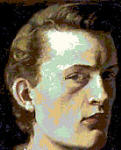
Edvard Munch (pronounced [moonk], December 12, 1863 – January 23, 1944) was a Norwegian Symbolist painter, printmaker, and an important forerunner of Expressionistic art.
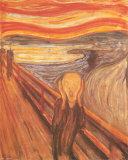
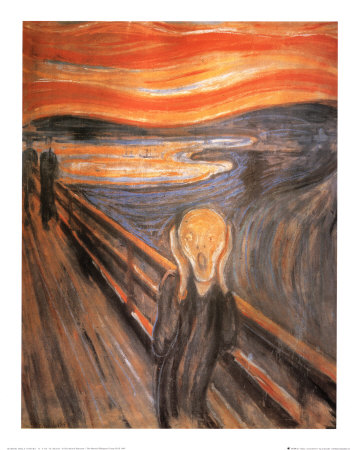
His best-known painting, The Scream (1893), is one of the pieces in a series titled The Frieze of Life, in which Munch explored the themes of life, love, fear, death, and melancholy. As with many of his works, he painted several versions of it. Similar paintings include Despair and Anxiety The Frieze of Life themes recur throughout Munch's work, in paintings such as The Sick Child (1886, portrait of his deceased sister Sophie), Love and Pain (1893-94) though more commonly known as "Vampire." Art critic Stanislaw Przybyszewski mistakenly interpreted the image as being vampiric in theme and content, and the description has since stuck, Ashes (1894), and The Bridge.¹
"From the moment of my birth, the angels of anxiety, worry, and death stood at my side, followed me out when I played, followed me in the sun of springtime and in the glories of summer." ~ Edvard Munch “The Scream,” which is a representation of an anxiety attack he had on a bridge, chillingly conveys the mental anguish that gripped tormented artist Edvard Munch for most of his life. His agonizing sadness, which he believed fueled his creativity, was caused by one sister’s commitment to an asylum, and the deaths of his other sister, mother and father before he was 25. Although Munch is known for this single image, he was one of the most prolific and influential figures in modern art. |
All Edvard Munch Posters and Prints >>
Featured Edvard Munch Posters & Art Prints
| Poster Clearance Sale |
Related Art Sites
Recommended books on Edvard Munch: Edvard Munch: Signs of Modern Art by Ulf Kuster, Philippe Buttner, Bjerke Oivind, and Edvard Munch; Edvard Munch: The Modern Life of the Soul by Patricia Berman, Reinhold Heller, Elizabeth Prelinger, and Tina Yarborough; Edvard Munch: Behind the Scream by Sue Prideaux; The Private Journals of Edvard Munch: We Are Flames Which Pour Out of the Earth by Edvard Munch, Frank Hoifodt, and J. Gill Holland; Munch: In His Own Words by Poul Erik Tojner and Edvard Munch; After the Scream: The Late Paintings of Edvard Munch by Elizabeth Prelinger.
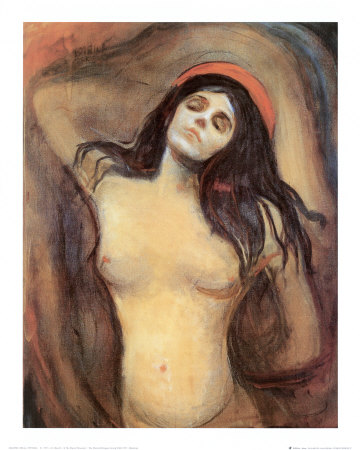
Available here are these Edvard Munch posters and prints, among others: The Scream, Madonna, Vampire, The Sun, Moon Light, Dance of Life, Trainsmoke, The Kiss, Despair, The Murderer, Anxiety, Summer Night at the Beach, Youth on the Beach, Young Girl on a Jetty, The Girls on the Pier, Girl on a Bridge, Red and White, Mermaid on the Shore, Dance on the Shore, Edvard Munch at LACMA, From Karl Johan Street, Four Girls on a Bridge, Mother and Daughter.
© Copyright 2003- by Ace Toscano. All rights reserved.

